
Water Removal
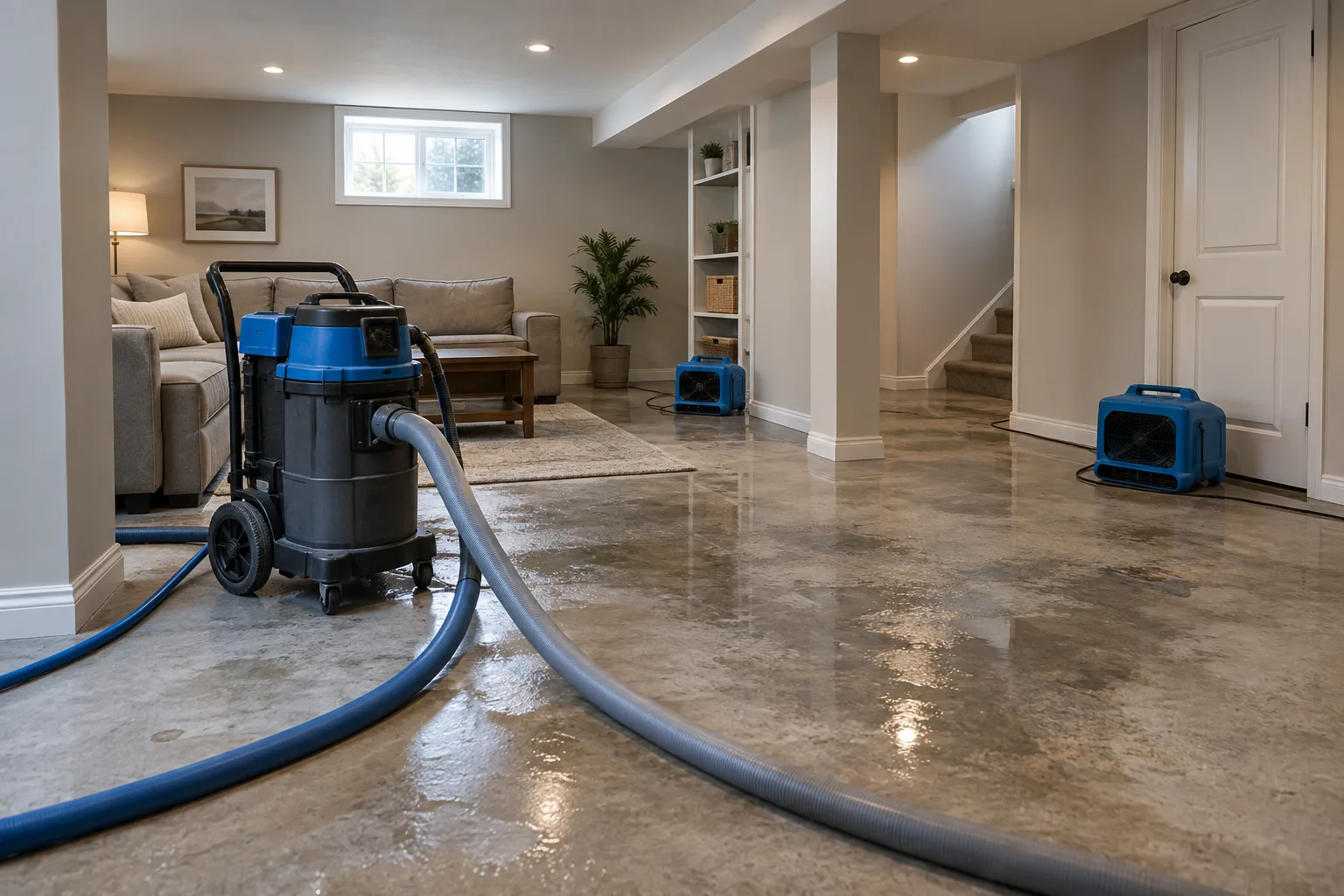
Remove standing water from affected areas so drying can begin.

Basement flooding or water damage?
When water enters your home, knowing what to do first can limit additional damage and, more importantly, keep your family safe. Climate Works helps Ottawa homeowners recover from basement flooding and water damage with professional water removal, drying and building-system support.
Immediate steps
If you're dealing with water in your basement right now, read our step-by-step guide on what to do when your basement floods in Ottawa.
If standing water has reached electrical equipment, outlets, appliances, the panel or wiring, do not enter. Hydro Ottawa advises homeowners to stay out of flooded spaces where electrical equipment may be energized.
Water may come from heavy rain or groundwater, a sewer backup, failed sump pump, burst pipe, water heater, plumbing fixture, foundation or window. If using sinks or toilets causes water to rise through a basement drain, stop using plumbing fixtures.
Call 3-1-1 or use the City’s basement flooding reporting service.
Confirm what coverage applies. When safe, photograph and video affected areas, document damaged property, and keep cleanup and repair invoices. See the Insurance Bureau of Canada flood guidance.
City staff may need access to the sewer clean-out. Clear boxes and furniture from around it, but do not attempt to open it yourself.
Floodwater—and especially sewer backup water—may contain bacteria and other contaminants. Avoid direct contact and use appropriate protective clothing only after the area has been confirmed safe.
If water has reached or threatens a furnace, boiler, water heater or other gas-fired equipment, do not restart it. Follow Enbridge Gas flood safety guidance. If you smell natural gas, leave the building and follow Enbridge emergency instructions.
Local context
The July 1, 2026 extreme weather event was a reminder of how quickly water can overwhelm homes across Ottawa. Intense rainfall exceeded the capacity of drainage systems in some areas and resulted in thousands of basement flooding reports across the city.
Heavy rain is only one cause. Burst pipes, sewer backups, failed sump pumps, plumbing leaks, foundation leaks and water heaters can cause serious damage at any time of year.
How we can help
Once the source is controlled and the property is safe to enter, the goal is to remove water and moisture as quickly as practical, dry affected materials and reduce the chance of secondary damage.
Remove standing water from affected areas so drying can begin.
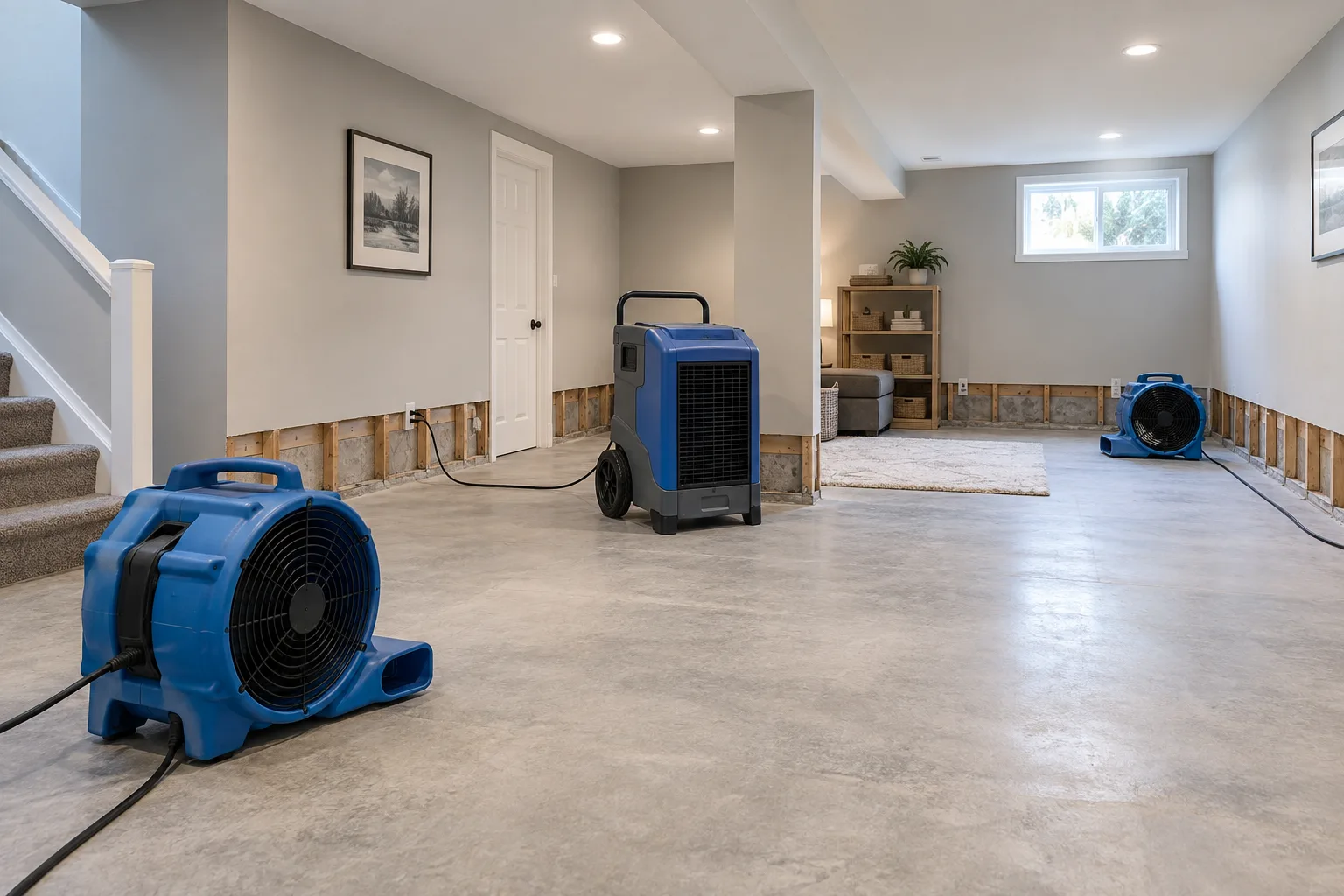
Use professional drying and dehumidification methods to remove remaining moisture from floors, walls and affected materials.
Check affected areas for remaining moisture and identify areas that may need more drying or repair.
Help return flooded basement areas to a clean, dry condition following water intrusion.
Our licensed plumbing team can identify and repair a burst pipe, fixture, water heater or other plumbing source.
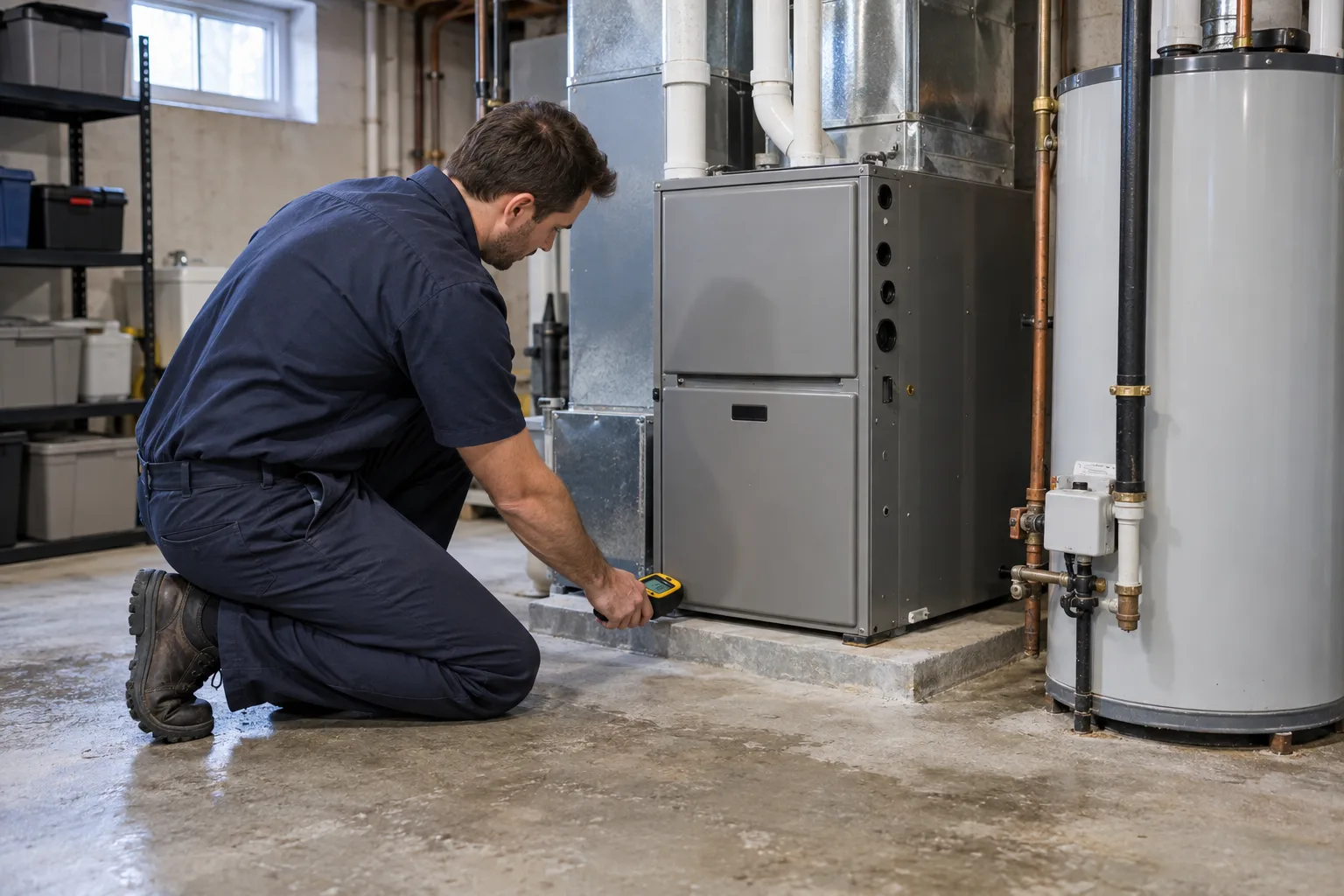
Inspect furnaces, boilers, water heaters and HVAC equipment affected by water before operation.
Prompt water removal and proper drying help reduce the damp conditions that encourage mould growth.
Our process
Why basements flood
Intense rain can overwhelm drainage systems and saturate soil around foundations.
Overloaded sewer systems or drain problems can force water back into a basement.
Mechanical failure or a power outage can allow groundwater to accumulate quickly.
Frozen or failed plumbing can release significant water in a short period.
A leaking or failed tank can cause substantial basement water damage.
Water can enter through cracks, joints, window wells and other openings.
Supply lines, fixtures and drains can fail behind walls or ceilings.
Mechanical safety
Flood-damaged gas and electrical appliances should not simply be turned back on. Affected furnaces, boilers, water heaters, heat pump equipment, electrical HVAC controls and pumps should be inspected by an appropriately qualified professional before operation.
Climate Works’ emergency HVAC and plumbing service is available 24/7 for qualifying HVAC and plumbing emergencies. Flood remediation appointments themselves are not advertised as 24/7.
Claims documentation
Contact your insurer early. If it is safe, photograph and video the damage, make an inventory of damaged possessions, keep damaged items until your insurer advises otherwise when practical, retain remediation and repair invoices, and keep records of calls and claim numbers. Coverage and claim requirements vary; the Insurance Bureau of Canada provides general flood information.
Local expertise
A local company serving Ottawa-area homeowners since 2007.
Qualified help with the plumbing and mechanical systems that can cause—or be damaged by—flooding.
One team for plumbing, furnaces, boilers, water heaters and HVAC equipment.
A 4.9 average Google rating and hundreds of reviews from local customers.
Customer experience
Recent Google reviews from homeowners who called us for plumbing and mechanical help.

Spencer came to help us fix a water leakage at our home. He was very professional. I would give him an 11/10. Well done!
Just had ClimateWorks replace our rental water heater. They did a great job, answered all my questions, and left everything neat and tidy. Couldn’t be happier!
Very good service plumber was very polite and friendly great job.
Common questions
Keep people and pets away from the affected area. If water may have reached electrical equipment, do not enter. When it is safe, identify the likely source, report basement flooding to Ottawa 3-1-1, contact your insurer and arrange an assessment.
Do not enter if water has reached outlets, appliances, extension cords, baseboard heaters, the electrical panel or wiring. Hydro Ottawa advises homeowners to stay out of flooded spaces where electrical equipment may be energized.
Yes. Ottawa residents should report basement flooding by calling 3-1-1 or using the City of Ottawa basement flooding service.
If using a sink or toilet causes water to rise through a basement drain, stop using plumbing fixtures until the problem has been assessed.
Not without an inspection. A furnace, boiler, heat pump, pump or electrical HVAC control exposed to flood water should be inspected by an appropriately qualified professional before operation.
Do not attempt to restart a water heater that has been submerged or exposed to flood water. Have the equipment inspected by an appropriately qualified professional.
Once the source is controlled and the property is safe to enter, water and remaining moisture should be removed as quickly as practical to limit additional damage.
Yes. Damp building materials can create conditions that support mould growth. Prompt water removal and thorough drying help reduce that risk.
Coverage varies by policy and by the source of the water. Contact your insurer early to confirm your coverage and documentation requirements.
Flood remediation itself is not currently advertised as a 24/7 service. Climate Works does provide 24/7 emergency HVAC and plumbing service for urgent issues such as burst pipes, major leaks, no heat and other qualifying HVAC or plumbing emergencies. View emergency HVAC and plumbing service.
Once your home is safe to enter and the immediate source has been addressed, Climate Works can help assess the affected area and determine the next steps for water removal, drying, plumbing and mechanical systems.
 Climate Works AI Assistant