

If floodwater entered your HVAC system, arrange a professional assessment before using it again. Some ducts may be restorable; others need replacement. Removing visible water or spraying the vents does not complete the job. Start by telling your restoration contractor that the ductwork may also be affected.
A basement flood leaves plenty of visible work: wet flooring, damaged drywall and belongings to move. The heating and cooling system is easier to overlook. Water may have reached a low return grille, a furnace cabinet or a duct connection even after the floor looks dry.
For Ottawa homeowners asking whether to clean their ducts after flooding, the first question is whether the system was affected. Here is how to approach the inspection, the cleanup decision and the return to normal use.
What Kind of Water Has Entered Your Ductwork?
Heavy rain, a drain backup, a burst pipe or an appliance leak can all leave water in an HVAC system. The source matters because the cleanup must address the contamination as well as the moisture.
- Water from a clean supply line: may start with fewer contaminants, but contact with dirty materials and time can change its condition.
- Used household water: may contain detergents, food residue or other contaminants and needs professional assessment.
- Sewage backups and outdoor floodwater: should be treated as potentially contaminated. Water that looks clear is not necessarily safe.
Tell the restoration team where the water came from, when it entered and whether the system ran afterwards. EPA warns that floodwater can contain bacteria, chemicals and other hazards. See EPA flood-cleanup guidance.
What to Do Before Starting HVAC Cleanup
Start by keeping the affected HVAC system off. Do not turn the furnace fan on to dry the ducts. The CDC recommends a professional check and cleanup before restarting a flooded system because contaminated equipment can spread mold through the home. Never enter standing water to reach electrical controls. Read the CDC’s flooded-home safety guidance.
Ask your restoration contractor to include the HVAC system in the recovery plan. Removing water from the room does not confirm that the furnace, return ducts or concealed sections are dry. Professional water removal and drying should account for those areas too.
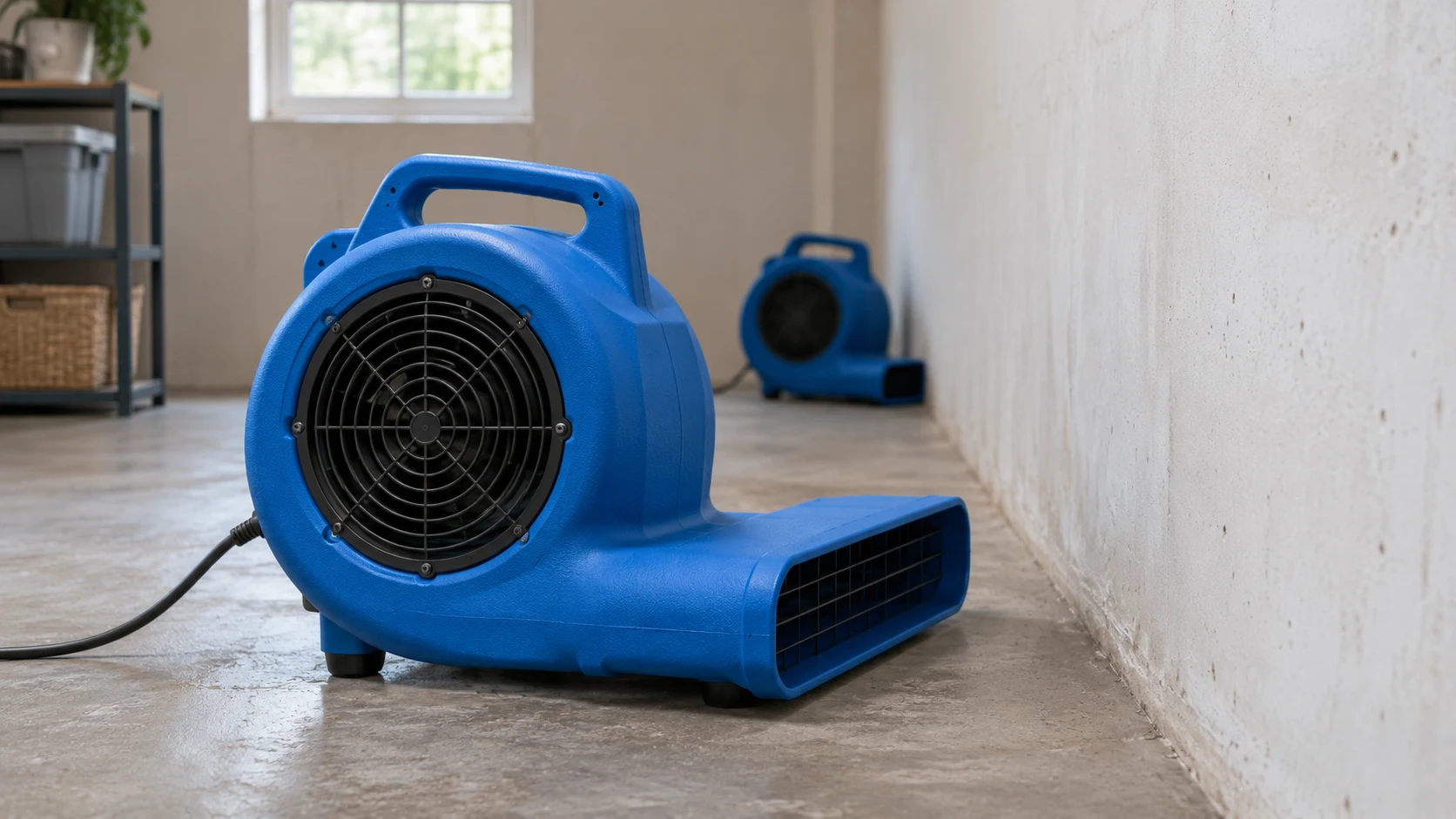
Do not drill holes in ducts or pour cleaning chemicals through the registers. Explain where water remains and let the contractor determine appropriate access. That may involve the furnace or air handler, an existing service opening, or a duct access panel.
If you have concealed or under-slab ductwork, mention it when booking. Ask how the team will locate trapped water and reach the affected sections. For a wider recovery checklist, see our guide to basement flooding in Ottawa.
Should Flooded Ducts Be Cleaned or Replaced?
The answer depends on the duct material, its condition and the extent of contamination. AHRI recommends professional evaluation of flood-affected HVAC equipment; apparent dryness does not establish that the equipment is safe to run. Read AHRI’s flood guidance for HVAC equipment.
- Bare metal ducts: ask whether the affected surfaces can be accessed, cleaned and dried adequately, and whether damage makes replacement preferable.
- Wet or moldy fiberglass insulation: EPA recommends removal and replacement because it cannot be effectively cleaned.
- Flexible or inaccessible ducts: ask the contractor to justify restoration versus replacement for the specific material and exposure.
Avoid treating “sanitizing” as a substitute for removing contamination. EPA notes limitations and concerns around chemical biocides in ducts, especially porous materials. Any proposed treatment should be appropriate for the material and used according to its label. Do not pour bleach into vents or fog the system yourself. Read EPA’s guidance on duct materials and chemical treatments.
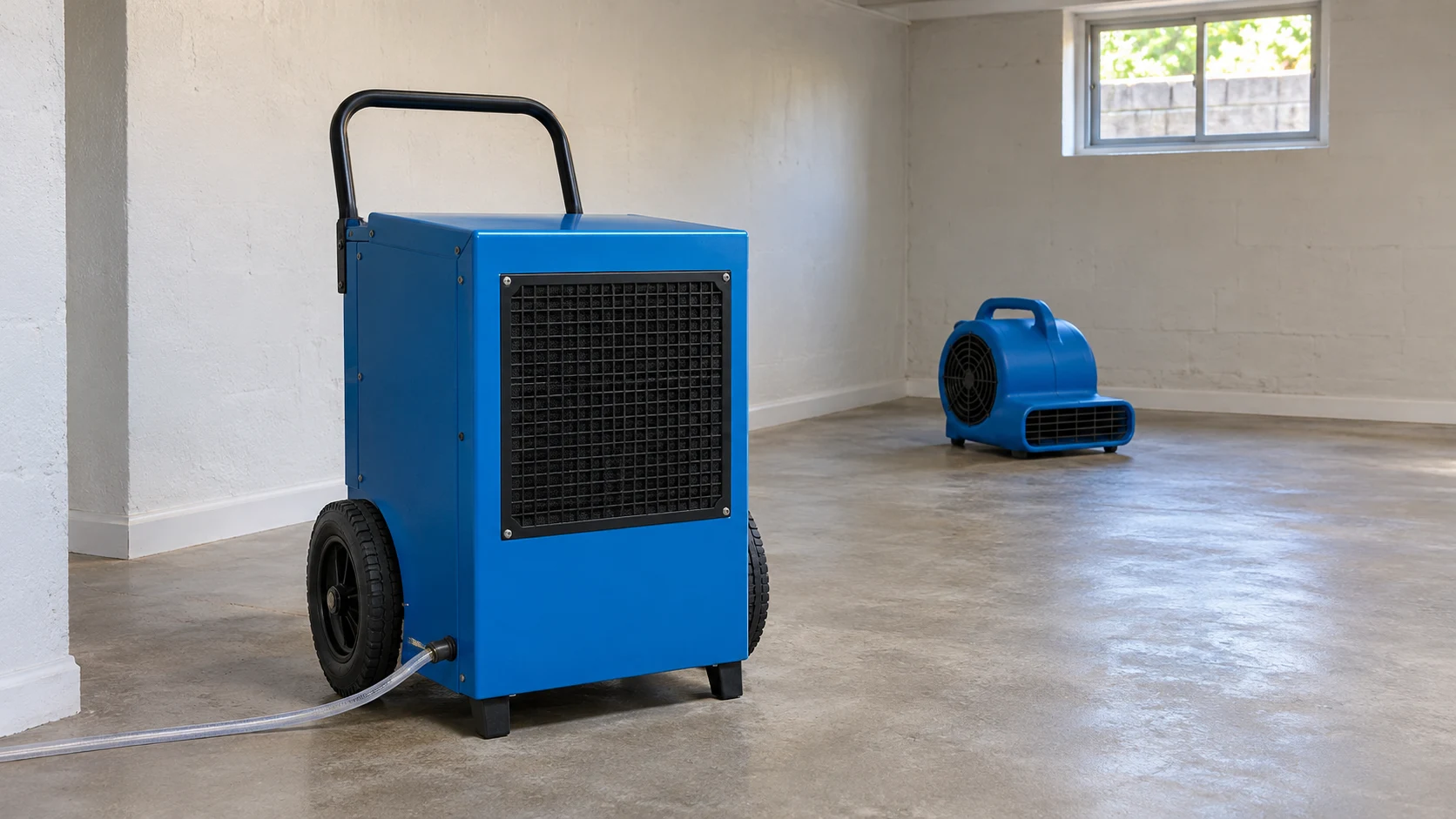
Arrange a Professional HVAC Inspection in Ottawa Before Restarting
A professional assessment should cover affected ducts, filters, insulation, the furnace or air handler, and other connected components. Ask who is responsible for confirming that the system is ready to operate. The restoration company and HVAC contractor may handle different parts of the job, so make sure their scopes connect.
Request a written closeout covering:
- The components inspected and any areas that remained inaccessible.
- What was cleaned, dried, repaired or replaced.
- How equipment safety and readiness for operation were assessed.
- Which filters were replaced and any follow-up work required.
- The likely water-entry route and recommended repairs to reduce recurrence.
EPA advises against using a flood-affected HVAC system to dry the home until a professional says it is safe. A dry room or improved smell is not a substitute for that assessment. See EPA’s advice on drying after a flood.
An air purifier cannot remove trapped water or replace the cleanup of contaminated materials. Address the moisture source and the affected system first.
If water or an unusual odour returns after restart, report it promptly rather than assuming the cleanup is finished. Keep the inspection photos, invoices and scope of work with your flood-recovery records.
Conclusion: Include Your Ductwork in the Flood-Recovery Plan
Cleaning ducts after a flood starts with understanding what got wet. Ask for an inspection that accounts for the connected HVAC system, a clear cleaning-or-replacement recommendation and a documented decision about restarting. That gives you a practical next step beyond simply removing the water you can see.
Contact Climate Works About Flood-Affected Ductwork in Ottawa
Contact Climate Works to discuss water in your HVAC system and the appropriate next step. Tell us if you are already working with a restoration company. Explore our duct cleaning services and flood remediation services, or read our Ottawa basement flood guide.
Ottawa (Headquarters)
2639 Pollock Rd.
Richmond, ON, K0A 2Z0
info@climateworks.ca | 613-838-9989
Water in Your Ductwork?
Tell us what happened so we can discuss your HVAC and duct cleaning needs.
Contact Climate WorksFAQ: Duct Cleaning After a Flood
Do I need duct cleaning if only the basement floor flooded?
Not automatically. Ask whether water reached a return opening, duct connection, furnace or air handler. An inspection can establish whether the HVAC system was affected before you approve cleaning or replacement.
Is removing standing water with a shop vacuum enough?
It does not establish that the system is ready to use. Tell the restoration team what you removed and where water remains, and ask them to include the HVAC system in the assessment.
Can flooded ducts be sanitized instead of replaced?
That depends on the material, contamination and access. Ask for a written explanation of which components can be restored and which need replacement. Spraying a product into a vent is not a complete remediation plan.
Should I run the furnace fan to dry wet ductwork?
Keep a flood-affected system off until a qualified professional has checked it and says it is safe to operate. Do not use the furnace fan as a shortcut for drying contaminated ducts.
What should I tell the contractor when I call?
Describe the source of the water, when flooding happened, the highest water level, whether the system ran afterwards and any water or odour at the vents. Mention any concealed or under-slab ductwork and share photos taken from a safe location.
