

Start with 20°C when you are home and awake, then adjust for comfort. For homes with a conventional furnace, lowering the temperature while you are asleep or away can help reduce heating energy use. Natural Resources Canada suggests 20°C while home and awake and 17°C while sleeping or away as energy-saving settings. Your household’s needs and heating equipment should guide the final schedule. Heat pumps generally need smaller temperature changes. Natural Resources Canada
What Temperature Should You Set Your Thermostat to During the Day?
A good starting point for an Ontario winter is 20°C while you are home and awake.
Try that setting during your normal routine, whether you are working from home, cooking, or relaxing in the evening.
If you feel chilly, increase the temperature gradually until the rooms you use feel comfortable. You might prefer 21°C or 22°C, particularly when sitting still for long periods.
The goal is a comfortable home at a setting you can maintain without unnecessary heating.
If one room feels cold while the rest of the house feels comfortable, investigate that room before increasing the temperature throughout the entire home.
Why Does the Same Temperature Feel Different in Different Homes?
A thermostat reading does not tell the whole story.
Two homes set to 21°C can feel quite different, especially during an Ottawa cold snap.
Factors that affect comfort include:
- Drafts around windows and doors
- Insulation levels
- Cold exterior walls and windows
- Uneven airflow between rooms
- Thermostat location
- Differences between upstairs and basement temperatures
- Whether you are moving around or sitting still
Natural Resources Canada identifies air sealing and insulation as ways to improve winter comfort and reduce heat loss. If your home feels cold despite a reasonable thermostat setting, these are useful places to investigate. Natural Resources Canada
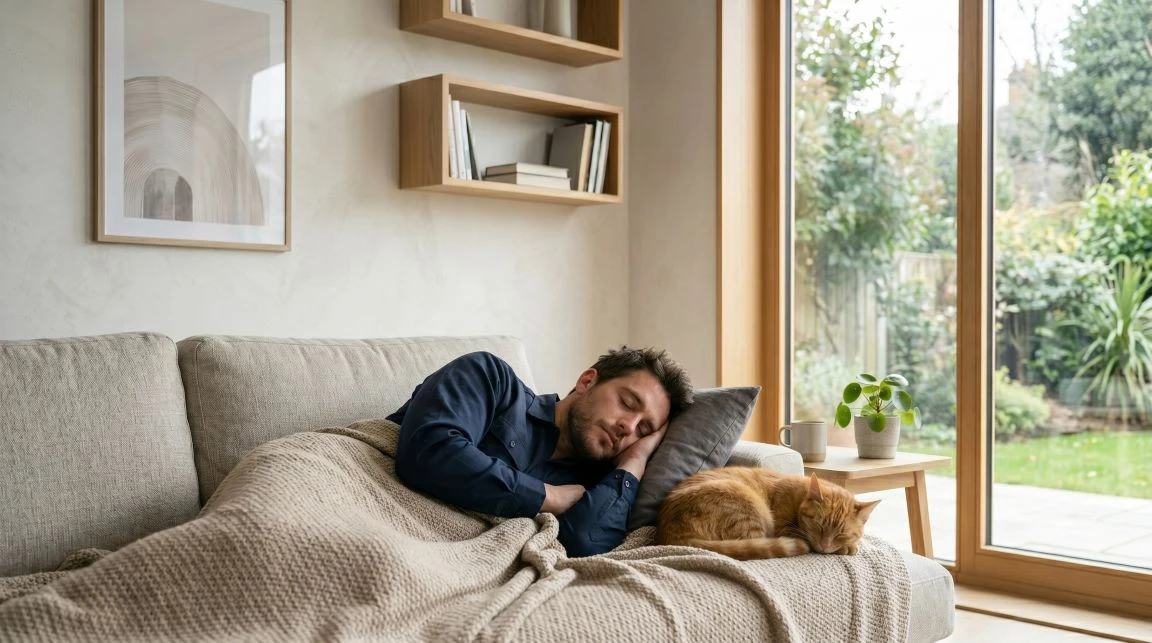
What Is the Best Temperature for Sleeping in Winter?
For a home with a conventional furnace, try a modest overnight reduction and see how your household responds.
For example, if you keep your home at 20°C during the evening, start by lowering it to 18°C or 19°C at bedtime.
Consider whether everyone remains comfortable overnight and when getting up in the morning. A setting that suits one person may leave another reaching for the thermostat.
There is no need to force a colder schedule that makes your household uncomfortable.
Natural Resources Canada’s general energy-saving guidance includes 17°C while sleeping, but that is a starting point for energy management rather than a requirement for every household. Canada.ca
What Temperature Should You Leave Your House at When You Go Out?
If everyone will be away for several hours, a lower setting can reduce heating energy use in a home with a conventional furnace.
A practical approach is to reduce the temperature a little below your occupied setting and schedule it to recover before you return.
Before choosing an away temperature, consider:
- How long the home will be empty
- Whether anyone or any pets will remain at home
- How quickly your heating system restores comfort
- Whether particular rooms become much colder than the thermostat location
- Whether you have a furnace, heat pump, or slower-response heating system
Avoid treating an ordinary workday and a week-long winter holiday as the same situation.
Extended absences need additional planning for plumbing, monitoring, and any requirements in your home insurance policy.
Should You Lower the Thermostat If You Have a Heat Pump?
Heat pumps need a different approach from conventional furnaces.
A large overnight temperature reduction can make it harder for a heat pump to restore comfort quickly. Depending on the equipment and controls, recovery may also bring on supplementary heating and reduce the savings you expected.
Natural Resources Canada recommends minimizing heat pump setbacks, generally using reductions of no more than 2°C or suitable controls that begin recovery early.
Ask your installer which schedule works best for your particular system. A relatively steady temperature may be more suitable than a large morning and evening swing. Natural Resources Canada
Can a Programmable or Smart Thermostat Help?
A programmable thermostat can automatically adjust the temperature around your routine.
You can schedule a comfortable temperature for mornings and evenings, with lower settings during suitable periods when the home is empty or everyone is sleeping.
A smart thermostat may also offer:
- Remote temperature adjustments
- Heating schedules through an app
- Energy-use information
- Occupancy features
- Compatible room sensors
- Recovery settings that prepare the home before you return
The right choice depends on your heating equipment and how you use your home.
A basic programmable thermostat can still be useful when its schedule is set correctly. Smart features add convenience, but the thermostat needs to be compatible with your system. Natural Resources Canada
Will Turning the Thermostat Up Higher Heat Your Home Faster?
For a typical furnace system, setting the thermostat well above your desired temperature will not make the house reach that desired temperature sooner.
If you want the home at 21°C, select 21°C.
Turning it up to 25°C can leave the system heating beyond the temperature you actually wanted.
If your home regularly takes too long to warm up, review the schedule and have the heating system checked rather than repeatedly selecting a much higher setting.
How Can You Stay Comfortable Without Constantly Raising the Heat?
Start with the areas where you spend the most time.
Check for noticeable drafts, keep heating outlets clear of furniture, and make sure return-air grilles are unobstructed.
Other useful steps include:
- Checking the furnace filter according to the manufacturer’s instructions
- Reviewing thermostat schedules after changes to your routine
- Having persistent airflow problems assessed
- Addressing gaps around exterior doors and windows
- Investigating insulation improvements
- Arranging regular heating-system maintenance
If one bedroom is always cold or the basement is uncomfortable, describe those specific symptoms when booking service.
That gives your technician a clearer starting point than simply reporting that the thermostat needs to be higher.
What Is the Lowest Temperature You Should Keep Your Home at in Winter?
There is no single thermostat setting that guarantees every room and pipe in every Ontario home will remain protected.
Plumbing near exterior walls or in poorly heated spaces may experience much colder conditions than the area around the thermostat.
For ordinary thermostat setbacks, Natural Resources Canada generally advises against going below 17°C because of the potential for moisture buildup in exterior walls.
Before choosing a lower temperature for an extended absence, get advice suited to your home and check your insurer’s requirements. Natural Resources Canada
When Should You Have Your Heating System Checked?
A higher thermostat setting may hide a comfort problem without resolving its cause.
Arrange an assessment if you notice:
- Rooms that remain cold while others are warm
- The home repeatedly failing to reach the selected temperature
- A sudden change in heating performance
- Unusual noises
- Frequent starting and stopping
- A thermostat reading that seems inconsistent with the room
A technician can assess the equipment, thermostat, and airflow to help identify what is happening.
Winter Thermostat FAQ for Ontario Homeowners
Is 20°C warm enough for a house in winter?
It is a useful starting point while you are home and awake. Try it during your usual routine and adjust gradually if you remain uncomfortable.
Is 22°C too warm in winter?
Some households prefer 22°C. Choose a temperature that keeps everyone comfortable, while recognizing that a higher setting generally requires more heating energy under otherwise similar conditions.
Should I keep the same temperature all day?
That depends on your routine and equipment. Conventional furnace systems can benefit from suitable setbacks. Heat pumps and some slower-response systems need a more carefully planned schedule.
Should I turn the heating off when I leave?
Keep heating available during Ontario winter weather. Use an appropriate away setting and plan separately for longer absences.
Why does my house feel cold at 21°C?
Drafts, cold surfaces, and uneven room temperatures can affect comfort even when the thermostat reads 21°C. Investigate where you feel cold and whether the problem affects one room or the whole house.
Should I raise the thermostat during an Ottawa cold snap?
If your home maintains its usual temperature comfortably, you may not need to change the setting. If it cannot reach the selected temperature or particular rooms become unusually cold, have the cause assessed.
How Should You Set Your Thermostat This Winter?
Use these steps to find a schedule that works for your home:
- Start at 20°C while you are home and awake.
- Adjust gradually for your household’s comfort.
- Try modest overnight and away reductions if suitable for your heating system.
- Use smaller setbacks with a heat pump and follow your installer’s guidance.
- Check how occupied rooms feel rather than relying only on the thermostat display.
- Investigate drafts and persistent temperature differences.
- Arrange service if your heating system struggles to maintain comfort.
Make one change at a time so you can judge whether it helps.
Need Help Keeping Your Ottawa Home Comfortable This Winter?
If your home feels cold despite a reasonable thermostat setting, Climate Works Heating, Cooling & Plumbing can help assess your heating system and discuss your options.
Whether you need furnace maintenance, heating repairs, or advice about thermostat controls, contact our team to arrange service.
Contact Climate Works for Ottawa HVAC and Plumbing Service
Ottawa (Headquarters)
2639 Pollock Rd.
Richmond, ON, K0A 2Z0
info@climateworks.ca |
343-341-8770
Need Heating, HVAC or Plumbing Help in Ottawa?
Climate Works provides heating, cooling, plumbing, and emergency service across the National Capital Region.
Get a Free Quote