


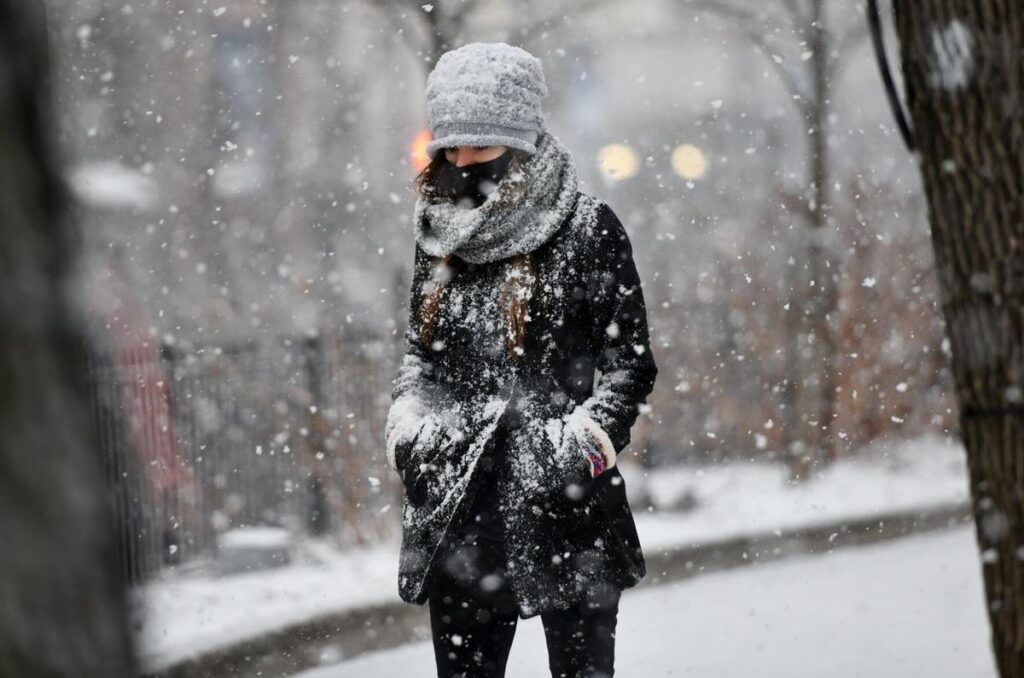
Stay Warm, Safe, and Efficient in 2025
Winter in Ontario is not for the unprepared. Between freezing temperatures, heavy snowfall, and long heating seasons, your home and HVAC system face months of sustained demand. Without proper preparation, small oversights can turn into expensive repairs, higher energy bills, or unexpected breakdowns at the worst possible time.
A proactive winter checklist helps you protect your heating system, reduce energy waste, and maintain a safe, comfortable indoor environment for your family. Whether this is your first Ontario winter as a homeowner or you’ve been through many, these fundamentals remain the same year after year.
This guide breaks winter prep into three key focus areas so you can head into 2025 confident that your home is ready for whatever the season brings.
Protect and Maintain Your Heating System
Your furnace or heat pump becomes the most important system in your home once winter arrives. Regular maintenance and airflow checks are essential for efficiency, safety, and longevity.
Start with a professional furnace inspection before peak winter demand. A seasonal tune-up ensures components are clean, electrical connections are secure, and combustion systems are operating safely. Preventive maintenance often catches minor issues before they become emergency repairs during a cold snap.
Airflow plays a major role in system performance. Replace furnace filters every one to three months to prevent dust buildup that forces your system to work harder. Check that vents and registers are clean and unobstructed by furniture, rugs, or décor. Poor airflow increases energy use and uneven heating.
Ductwork should also be inspected for leaks or disconnections. Heat loss through leaky ducts can account for up to 30 percent of wasted energy. Sealing visible gaps or having a professional duct inspection performed can dramatically improve comfort and efficiency.
If your home uses a humidifier, clean it before winter begins. Proper humidity levels improve comfort, reduce dryness, and help your home feel warmer at lower thermostat settings.

Your Comfort, Upgraded with a Smart Thermostat
The Lennox iComfort® Wi-Fi Thermostat gives you remote control, energy savings, and year-round comfort—all in one smart touchscreen.
Reduce Heat Loss and Improve Efficiency
Even the best heating system struggles if warm air is escaping your home. Winter efficiency starts with keeping the heat you pay for inside.
Check windows and doors for drafts and seal gaps using weatherstripping or caulking. Drafts around frames are one of the most common causes of cold spots and rising heating bills. If your windows are older, upgrading to double- or triple-pane models can significantly reduce heat loss.
Insulation is another critical factor. Attics, basements, and exterior walls should be properly insulated to prevent warm air from escaping and cold air from infiltrating. Homes with insufficient insulation often experience uneven temperatures and excessive furnace run times.
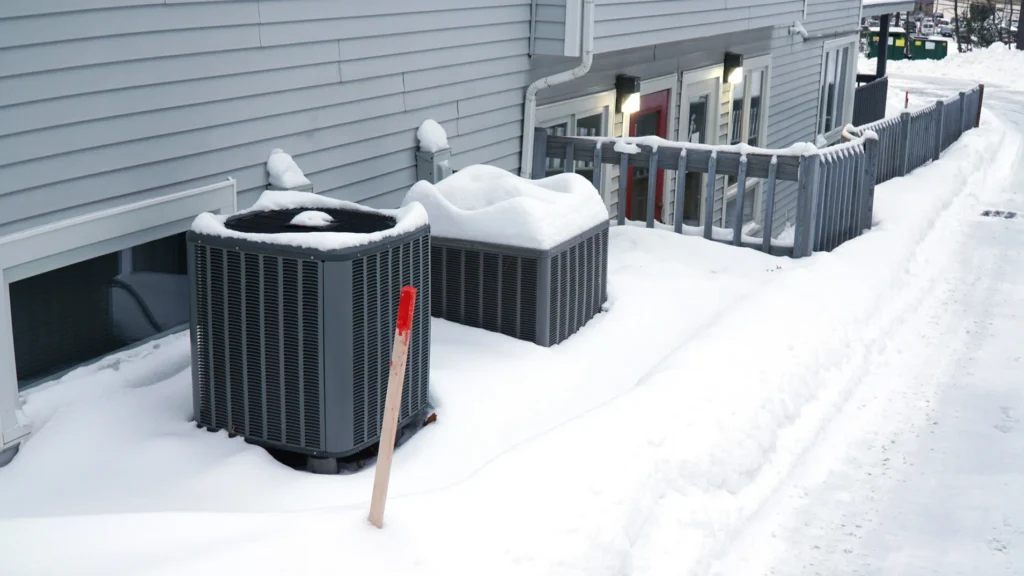
Snow and ice management also impacts efficiency. Keep outdoor vents, exhaust pipes, and heat pump units clear of snow buildup. Blocked vents restrict airflow and can create safety hazards, including carbon monoxide buildup.
Strategic thermostat use further reduces energy waste. Maintaining a consistent daytime temperature and lowering it overnight or while away can reduce heating costs by up to 15 percent over the winter season without sacrificing comfort.
Prioritize Winter Safety and Home Protection
Winter HVAC preparation goes beyond comfort and efficiency. Safety should always be part of your seasonal checklist.
Carbon monoxide detectors should be installed on every level of your home and tested regularly. Any home using gas, oil, or propane heating equipment relies on proper ventilation to operate safely. Early detection is critical.
Plumbing protection is equally important. Insulate exposed pipes in basements, garages, and exterior walls. Drain outdoor faucets and keep your thermostat set above 15°C if you plan to travel. Frozen pipes can cause extensive damage in a matter of hours.
Fire safety should not be overlooked. Keep space heaters at least one metre away from flammable materials and never leave them unattended. Ensure fireplaces and wood stoves are inspected and cleaned before use.
Finally, prepare for winter power outages by assembling an emergency kit with flashlights, batteries, blankets, and non-perishable food. Backup heating plans provide peace of mind during extended outages.
Final Thoughts: A Smarter Way to Face Ontario Winters
Ontario winters are demanding, but they do not have to be stressful. A well-maintained HVAC system, proper insulation, and a few proactive safety steps can make a significant difference in comfort, efficiency, and reliability throughout the season.
By addressing heating maintenance, reducing heat loss, and prioritizing safety, you protect both your home and your investment while keeping energy costs under control.
If you need help preparing your home for winter, the certified professionals at Climate Works are ready to help with inspections, maintenance, upgrades, and expert advice.
Winter may be unavoidable in Ontario, but being unprepared is not.
Frequently Asked Questions (FAQ)
When should I start preparing my HVAC system for an Ontario winter?
How often should furnace filters be changed during winter?
Can snow and ice really affect my HVAC system?
Is it safe to lower my thermostat when I’m away in winter?
Do I need HVAC maintenance every year even if my system is new?

Need Help Getting Your Home Winter-Ready?
Ontario winters are demanding on heating systems, and preparation makes all the difference. Whether you need a furnace tune-up, duct inspection, humidifier service, or help improving your home’s winter efficiency, the certified technicians at Climate Works are ready to help.
We provide expert HVAC services designed to keep your home warm, safe, and energy-efficient all winter long.
Contact your local Climate Works team today to schedule your winter HVAC inspection and head into the season with confidence.
Contact Us
Ottawa (Headquarters)2639 Pollock Rd.
Richmond, ON, K0A 2Z0
info@climateworks.ca | 613-838-9989
Toronto & GTA
1883 Mattawa Ave.
Mississauga, ON, L4X 1K8
gtaestimating@climateworks.ca | 437-317-0699