


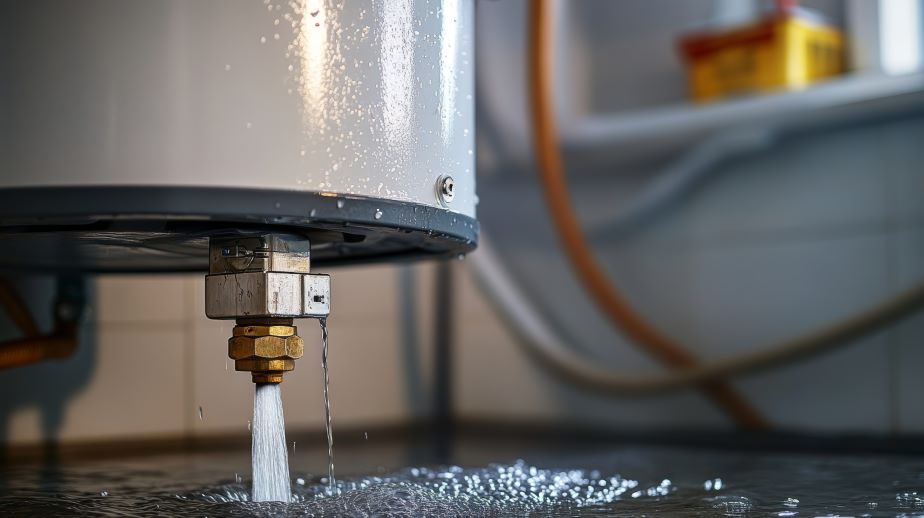
Why Draining Your Water Heater Matters
Your water heater quietly works all day in the background — morning showers, laundry, dishwashing, and everything in between. Over time, though, minerals and sediment from your water supply settle at the bottom of the tank.
- Left alone, that buildup can:
- Make your water heater less efficient
- Force it to work harder and use more energy
- Shorten its lifespan
- Increase the risk of leaks or noisy operation
Think of a drain-and-flush like an oil change for your car: it’s simple, not very exciting, but absolutely essential if you want your equipment to last.
How Often Should You Drain or Flush Your Water Heater?
For most homeowners, a good rule of thumb is:
- At least once per year for standard tank water heaters
- Every 4–6 months if you have hard water or notice sediment issues
Ottawa and many surrounding communities have moderately hard water, which means sediment can build up faster than you might expect. If you’ve never drained your tank before, the first flush can be an eye-opener.
Regular draining helps:
- Maintain faster, more consistent hot water
- Reduce strain on the heating element or burner
- Extend the life of the tank (and delay a costly replacement)
If you use a tankless water heater, you don’t “drain the tank,” but you do need regular descaling or flushing of the heat exchanger. That’s usually done annually, or more often in very hard-water areas.

Your Comfort, Upgraded with a Smart Thermostat
The Lennox iComfort® Wi-Fi Thermostat gives you remote control, energy savings, and year-round comfort—all in one smart touchscreen.
Signs Your Water Heater Needs Attention
You don’t have to wait for a full breakdown to know your water heater is struggling. Sediment, scaling, and age often show up in subtle ways first.
Watch for:
- Longer waits for hot water
- Popping, rumbling, or crackling sounds from the tank
- Rust-coloured or cloudy water when you turn on the hot tap
- Water that doesn’t stay hot as long as it used to
- Small leaks or dampness around the base of the tank
These are all clues that sediment is building up or components are under stress. A drain-and-flush, combined with a quick inspection by a licensed plumber, can often correct problems before they turn into a surprise “no hot water” day.
DIY vs. Professional Flushing: What’s Safe To Do Yourself?
Many homeowners are comfortable doing basic maintenance; others prefer to leave anything involving hot water, gas, and electricity to a pro. There’s no wrong answer — the key is staying safe and not pushing beyond your comfort level.
A basic DIY flush usually involves:
- Turning off power or gas to the water heater
- Allowing the water to cool
- Shutting off the cold-water supply
- Connecting a garden hose to the drain valve
- Draining the tank and briefly running clean water through until it runs clear
However, there are times when calling a professional is the better choice:
- Your water heater is older and has never been drained
- You see signs of leaks, corrosion, or rust
- You’re not comfortable touching gas or electrical connections
- You want a full inspection, including the temperature & pressure (T&P) relief valve and other safety components
A professional plumber can flush the tank, test the T&P valve, check for early signs of failure, and help you decide whether maintenance or replacement is the smarter long-term move.

Final Thoughts: Protecting Your Hot Water (and Your Wallet)
Draining your water heater isn’t glamorous, but it’s one of the most cost-effective maintenance tasks you can do as a homeowner. A simple annual (or twice-yearly) flush helps:
- Keep your hot water reliable
- Reduce energy waste
- Prevent premature tank failure
- Avoid surprise cold showers and emergency replacements
If it’s been more than a year since your last water heater service — or you’re not sure it’s ever been drained — this is the perfect time to schedule a visit.
Frequently Asked Questions (FAQ)
How often should I drain my water heater in Ottawa?
Most homeowners should drain and flush their tank at least once per year. If you have hard water or notice sediment issues, aim for every 4–6 months.
Do tankless water heaters need flushing too?
Yes. Tankless water heaters don’t have a storage tank, but mineral buildup can still affect the heat exchanger. They typically require annual descaling (sometimes more often with very hard water).
What happens if I never drain my water heater?
Sediment builds up at the bottom of the tank, making your heater less efficient and putting extra strain on the burner or element. Over time, this can lead to higher energy bills, noisy operation, and a shorter lifespan for the tank.
How long does a typical water heater last?
Most gas water heaters last around 8–12 years, while electric tanks can often reach 10–15 years with good maintenance. Regular flushing and inspections help you get closer to the upper end of that range.
Is draining a water heater dangerous?

Need Help With Your Water Heater in Ottawa?
Whether you’re dealing with lukewarm showers, strange tank noises, or you just know it’s time for a proper flush, Climate Works Heating, Cooling & Plumbing is here to help.
We service, repair, and replace all major brands of water heaters, including gas, electric, and tankless systems. Our team can:
Drain and flush your tank
Inspect critical safety components
Recommend repairs or upgrades when it makes financial sense
Book a maintenance visit now so your hot water system is ready for every season.
Contact Us
Ottawa (Headquarters)2639 Pollock Rd.
Richmond, ON, K0A 2Z0
info@climateworks.ca | 613-838-9989
Toronto & GTA
1883 Mattawa Ave.
Mississauga, ON, L4X 1K8
gtaestimating@climateworks.ca | 437-317-0699