





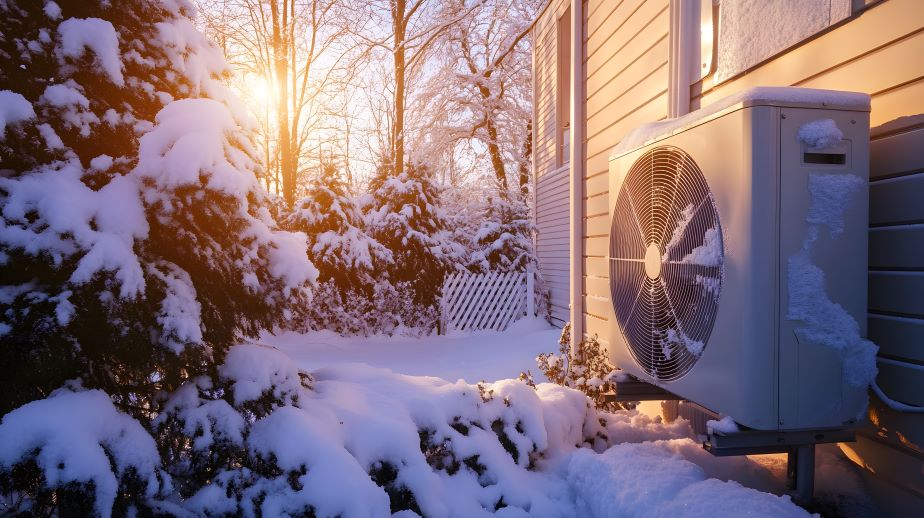

Are Heat Pumps Effective During an Ontario Winter?
Yes — modern cold climate heat pumps are designed to perform reliably even during Ontario’s harshest winters. Today’s best models can operate in temperatures as low as –30°C, extracting heat from outdoor air and transferring it into your home.
While there was once skepticism about heat pumps in Canada’s climate, technology has advanced dramatically. With inverter-driven compressors, improved refrigerants, and built-in backup heating systems, heat pumps are now a practical and efficient choice for Ontario homeowners.
How Heat Pumps Provide Warmth in Cold Temperatures
It may seem impossible, but even freezing outdoor air contains usable heat. A heat pump’s refrigerant system captures that heat, compresses it, and releases it inside your home.
During the coldest nights, many systems rely on backup electric resistance heaters or can work alongside a gas furnace as part of a hybrid heating system. This ensures that your home stays warm even when temperatures drop well below –20°C.
The result: steady, comfortable heating without the excessive fuel use of traditional furnaces.
The Advantages of Cold Climate Heat Pumps in Ontario
Homeowners across Ontario are turning to heat pumps not just for comfort, but also for long-term efficiency. A properly sized, professionally installed system brings:
- Energy Efficiency – Heat pumps transfer heat instead of generating it, meaning less energy consumption and lower monthly bills.
- Year-Round Comfort – One system provides heating in winter and cooling in summer.
- Environmental Benefits – Reduced greenhouse gas emissions compared to fossil fuel systems.
- Cost Savings – Government rebates and lower utility bills help offset higher upfront costs.
This combination makes heat pumps one of the smartest investments for Ontario homes.
Heat Pump Rebates Available in Ontario (2026)
Ontario homeowners currently have access to several incentive programs that can significantly reduce the cost of installing a cold-climate heat pump. Depending on the program and eligibility, rebates can range from several thousand dollars to over $20,000 for certain upgrades.
Home Renovation Savings Program (HRS)
Ontario’s Home Renovation Savings Program offers rebates for energy-efficient home upgrades, including cold-climate heat pumps.
Homeowners may receive:
• up to $7,500 for cold-climate air-source heat pumps
• up to $12,000 for ground-source (geothermal) heat pump systems
These rebates are designed to encourage energy-efficient heating solutions that perform reliably during Ontario winters.
Oil to Heat Pump Affordability Program
For households currently heating with oil, the federal Oil to Heat Pump Affordability Program provides some of the largest incentives available.
Eligible homeowners may qualify for:
• up to $10,000 to $25,000 in total support
• installation assistance with little or no upfront cost
This program is intended to help low- to median-income households transition away from oil heating to cleaner electric heat pump systems.
Eligibility Requirements
To qualify for most rebate programs, homeowners typically need to meet several requirements:
• The system must be an ENERGY STAR® certified cold-climate heat pump
• The home must be a primary residential property (detached, semi-detached, or townhouse)
• Some programs require a home energy assessment by a Registered Energy Advisor
• Installation may need to be completed by an approved contractor
Because rebate programs change frequently, working with an experienced HVAC contractor can help ensure you access all available incentives.

Heat Pump Maintenance Tips for Winter Reliability
Like any HVAC system, heat pumps need regular care to stay efficient. Before and during winter, homeowners should:
- Replace or clean air filters every 1–3 months
- Keep the outdoor unit free of snow, ice, and leaves
- Schedule annual professional maintenance to inspect refrigerant levels, coils, and electrical components
Regular servicing ensures your system runs at peak efficiency and prevents costly breakdowns when you need heat most.
Heat Pump Winter FAQ for Ontario Homes
Do heat pumps really work in –30°C temperatures?
Yes. Modern cold climate heat pumps are specifically designed for Canadian winters, with technology that allows them to extract heat from the air even in extreme cold. Some models can operate efficiently down to –30°C, though performance naturally decreases as the temperature drops. That’s why many Ontario homeowners pair their heat pump with either a backup electric resistance heater or a gas furnace in a hybrid system. This way, you always have reliable heat, even on the coldest nights.
Will I still need a furnace if I install a heat pump?
Not necessarily. For many Ontario homes, a properly sized cold climate heat pump can handle most of the winter without additional support. However, some homeowners choose a dual-fuel system, where the furnace only turns on when temperatures drop to a level where the heat pump would become less efficient. This hybrid setup gives you the best of both worlds: maximum energy savings during milder winter days, and peace of mind knowing your furnace is there for backup.
Are heat pumps expensive to run in winter?
Actually, heat pumps are often cheaper to operate than furnaces. Instead of burning fuel, they transfer heat, which requires less energy overall. According to Natural Resources Canada, heat pumps can deliver up to three times more heating energy than the electricity they consume. That means lower monthly bills compared to electric baseboard heaters and, in many cases, even natural gas systems. Over time, the energy savings, plus government rebates, usually outweigh the higher upfront cost of installation.
What happens if snow builds up around the outdoor unit?
Since heat pumps rely on outdoor airflow, it’s very important to keep the unit clear of snow, ice, and leaves. If airflow is blocked, the system can’t exchange heat properly and may shut down to protect itself. We recommend shoveling or brushing snow away from the unit after storms and making sure there’s at least two to three feet of clearance around it. Professional maintenance each fall also helps ensure the defrost cycle is working properly, which keeps the unit clear during freezing conditions.
Is a heat pump right for every Ontario home?
In most cases, yes. Heat pumps work well in a wide variety of homes, whether you already have ductwork or you’re looking for a ductless solution. However, factors like insulation levels, square footage, and your current heating system can influence which model will work best. If your home is well-insulated and energy efficient, a cold climate heat pump could easily cover nearly all your heating needs. For older homes or those with drafty construction, a hybrid system that pairs a heat pump with a furnace may be the most practical solution.
A professional assessment from Climate Works can help determine the perfect fit for your home.

Considering a Heat Pump for Your Ontario Home?
If you’re looking for a system that can handle Ontario winters while lowering your energy bills, a cold climate heat pump is the answer.
At Climate Works Heating, Cooling & Plumbing, we specialize in installing and servicing the best heat pump brands for Canadian homes. From helping you choose the right unit to securing government rebates, our team is here to make the transition seamless.
Contact Us
Ottawa (Headquarters)2639 Pollock Rd.
Richmond, ON, K0A 2Z0
info@climateworks.ca | 613-838-9989
Toronto & GTA
1883 Mattawa Ave.
Mississauga, ON, L4X 1K8
gtaestimating@climateworks.ca | 437-317-0699